
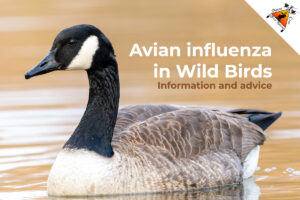
With the onset of spring bird migration, some may be concerned regarding recent reports of Avian Influenza. Below is information on Avian Influenza and precautions to take while engaging in spring goose hunt.
In February 2023, Canada reported a total of 1,751 suspect and confirmed positive samples in wild birds in all provinces and territories except the Northwest Territories. With the northward spring bird migration, increasing numbers of Avian Influenza detections may be seen across Canada.
To date, the most common avian influenza virus in domestic birds has been highly pathogenic avian influenza (HPAI), subtype H5N1.
A recent case of avian influenza in wildlife was confirmed in the Town of Cobourg, with a Canada goose in Cobourg harbor testing positive on January 3, 2025.
On February 12, 2025, we confirmed the presence of the HPAI H5N5 subtype in poultry in Newfoundland and Labrador
The HPAI virus (genotype B3.13) found in U.S. dairy cattle has not been detected in birds, cattle or any other animals in Canada
What is Avian Influenza?
Avian influenza is a viral infection that is highly contagious among birds and is found in domestic poultry and wild birds including raptors, gulls, terns, shorebirds, ducks, geese, cranes and swans. Wild birds and waterfowl in Canada and throughout the world are natural carriers of avian influenza viruses. Avian influenza can also spread to domestic poultry and, under certain circumstances, to people. There are many Avian Influenza virus strains.
Human infections with avian influenza are rare and almost always acquired through sustained close contact with infected live or dead poultry or contaminated facilities. However, anyone in close contact with infected birds and their environments may be at increased risk of infection.
Refer to the Public Health Agency of Canada website for handling guidelines ( https://www.canada.ca/en/public-health/services/flu-influenza/fact-sheet-guidance-on-precautions-handling-wild-birds.html ).
Signs of a sick bird
Infected birds may show one or many of these signs:
- Lack of energy or movement
- Nervousness, tremors, or lack of coordination
- Swelling around the head, neck, and eyes
- Coughing, gasping for air, or sneezing
- Diarrhea
- Sudden death
What is the risk to humans?
Avian influenza infection in humans can potentially occur because of contact with infected birds (and other animals), feathers, eggs, feces, bedding and litter containing high concentrations of virus, contaminated surfaces, or contact with contaminated vehicles, equipment, clothing and footwear at involved sites (infected poultry farms). Direct contamination of the mucous membranes (inside of nose and mouth) by infectious droplets or inhalation of aerosolized viruses are other possible transmission routes.
To date, there has been limited transmission of Avian H5N1 to humans. Most human infections with the Avian H5N1 virus have been linked to interaction with infected live birds and/or poultry and /or bird’s hunting. These practices represent the highest risk of human infection and the number of individuals performing these activities should be limited, whenever possible.
The risk of Avian influenza – HPAI (H5N1) infection in the general public is considered low. There is no evidence to suggest that the avian influenza virus can be transmitted to humans through the consumption of fully cooked game birds or eggs. In general, human cases of avian influenza are caused by close, prolonged contact with infected live or dead birds or contaminated environments. While the risk of human infection with avian influenza viruses is low, individuals should be cautious when handling wild birds.
Fortunately, recent strains of Avian influenza detected in North America appear to be less likely to infect humans and the risk of infection in the general public is considered low.
What are precautions that the general public can take?
As a general guideline, members of the public should not handle dead wild birds or live birds that are acting strangely.
- Do not feed wild birds by hand
- As a general guideline, do not touch live, sick, or dead wild birds
If contact with wild birds is unavoidable:
- Wear any available personal protective equipment (PPE) on hand (i.e. gloves, mask, eye protection)
- Pick up carcass with gloves or use a doubled plastic bag
- Avoid contact with blood, body fluids and feces
- Wash your hands thoroughly with soap and warm water
Bird flu can spread to other animals, including mammals, birds, and pets.
Mammals
- Wild animals: Such as bears, foxes, skunks, seals, and marine mammals
- Farmed animals: Such as mink, cattle, and goats
- Domestic animals: Such as cats and dogs
Birds
- Domestic birds, such as chickens and turkeys
- Pet birds
Transmission
- When animals eat infected birds, poultry, or other animals
- When animals are exposed to environments contaminated with the virus
- When animals scavenge or interact closely with infected birds
- Avian influenza is not a food safety concern. There is no evidence to suggest that eating cooked poultry or eggs could transmit the virus to humans.
Risk of transmission
- Spread of H5N1 bird flu viruses from mammal to mammal is thought to be rare, but possible
- The likelihood of dogs catching avian influenza is very low
- The risk of people catching HPAI viruses from infected cats or dogs is considered extremely low
Reporting:
If you observe sick or dead birds and suspect that disease may be involved, please contact Alex Litvinov, Moose Cree Land and Resources Department, at alex.litvinov@moosecree.com or the Canadian Wildlife Health Cooperative at 1- 800-567-2033 or the Ontario Regional Centre of the Canadian Wildlife Health Cooperative 1-866-673-4781 or use the online reporting tool.

What are precautions that hunters should take?
It is considered safe to hunt, handle, and eat healthy game birds. However, because exposure to avian influenza can occur when handling wild birds and waterfowl, it is recommended that you:
- Avoid hunting game birds and waterfowl in areas where an outbreak of avian influenza has been reported or where sick or dead birds are found. Before you hunt, check that restrictions in your area have not changed.
- Do not handle or eat sick birds or birds that have died from unknown causes.
- When handling or cleaning game
- Minimize direct contact with blood, feces, and respiratory secretions of all wild birds
- Always work in a well-ventilated environment
- If working outdoors, try to stay upwind of birds to avoid inhaling dust, feathers and aerosols
- Do not eat, drink, or smoke while handling birds
- Avoid touching your face with unwashed hands
- Wear gloves (for example, vinyl, latex, nitrile, rubber) as much as possible
- Wash hands with soap and warm water immediately after you have finished. If you do not have access to water, use hand sanitizer or wipe with at least 60% alcohol
- Keep young children and pets away from areas that could be contaminated
- After you are done cleaning game, thoroughly clean and disinfect tools and work surfaces with soapy water, and then use a household disinfectant or bleach solution (25ml bleach to 2L water)
- Immediately remove and wash and/or change clothing and footwear that may be contaminated with blood, feces or respiratory secretions
- Not only does this protect your health, but also helps to prevent the spread of the virus to other birds and domestic poultry, as well as other people, animals or pets.
If you become ill after handling birds, contact your health care provider as soon as possible and inform them that you have been in contact with wild birds.
It is important to note that not all infected birds appear sick.
How do you cook or prepare wild bird meat/harvested eggs?
There is no evidence to suggest that fully cooked game birds or eggs are a source of avian influenza infection for people.
To reduce your risk of exposure to avian influenza and other pathogens, it is important to follow these recommended guidelines:
- Cook game meat / eggs thoroughly.
- Cook eggs to an internal temperature of 74°C (165°F) – Avoid consuming eggs raw or partially cooked (runny yolk); Also avoid using raw eggs in foods that will not be cooked, baked or heat-treated in other ways.
- Cook meat pieces and cuts to an internal temperature of 74°C (165°F)
- Cook whole birds to an internal temperature of 82°C (180°F)
Follow general safe food handling practices such as:
- Keeping raw meat separate from other food products to avoid cross contamination.
- Washing hands often, including before and after handling raw meat.
- Thoroughly cleaning contaminated tools and work surfaces with hot, soapy water and then using a household disinfectant or a solution of 25ml bleach and 2L water
The avian influenza virus can survive freezing, therefore, dead birds found and collected by community members for avian influenza testing should be stored separately from other community freezer items (harvested wild meat and eggs). Good hand hygiene should always be practiced.
It is important to note that some predatory animals have been infected with strains of avian influenza, such as H5N1. While most of these mammalian cases have occurred from eating the carcasses of infected birds, little is known about the transmissibility of influenza from these animals to humans. When handling mammals suspected of being infected with influenza, hunters should take the same precautions they would take if they were handling infected poultry and wild birds as outlined in this document.
Resources
- Provincial information, updates, and reports are available at Canadian Wildlife Health Cooperative – Avian Influenza Virus
http://www.cwhc-rcsf.ca/avian_influenza.php - Maps are available to show locations where Avian influenza has been detected in wild birds and poultry in North America
https://www.usgs.gov/media/images/distribution-highly-pathogenic-avian-influenza-h5-and-h5n1-north-america-20212022 - Canadian-specific dashboard is available at the Canadian Wildlife Health Cooperative (CWHC) website and ECCC’s “Avian influenza in wild birds” web page that continues to be updated as the situation unfolds.
https://www.canada.ca/en/environment-climate-change/services/migratory-game-bird-hunting/avian-influenza-wild-birds.html
Other useful links:
Provincial reporting In Ontario
the Ontario Regional Centre of the Canadian Wildlife Health Cooperative: 1-866-673-4781
Public Health Agency of Canada (PHAC)
- Wild birds and avian influenza – Handling guidelines (English):
https://www.canada.ca/en/public-health/services/flu-influenza/fact-sheet-guidance-on-precautions-handling-wild-birds.html - Environment and Climate Change Canada (ECCC) – information on avian influenza in wild birds, including where cases of avian influenza have been confirmed in Canada and where to report dead wild birds. “Avian influenza in wild birds” (English)
https://www.canada.ca/en/environment-climate-change/services/migratory-game-bird-hunting/avian-influenza-wild-birds.html#toc9 - Ministry of Health
https://www.canada.ca/en/public-health/services/diseases/avian-influenza-h5n1.html - Canada.ca Public Health Agency of Canada. Wildlife and avian influenza – Handling guidelines to protect your health.
https://www.canada.ca/en/public-health/services/flu-influenza/fact-sheet-guidance-on-precautions-handling-wild-birds.html